SAMRC Hosts Third Regional Grant Holders Conference at iYunivesithi Walter Sisulu
The South African Medical Research Council (SAMRC), through its Research Capacity Development (RCD) Division, hosted its Third Regional Grant Holders Conference on 17 September 2026 at iYunivesithi Walter Sisulu (iWS) in East London.
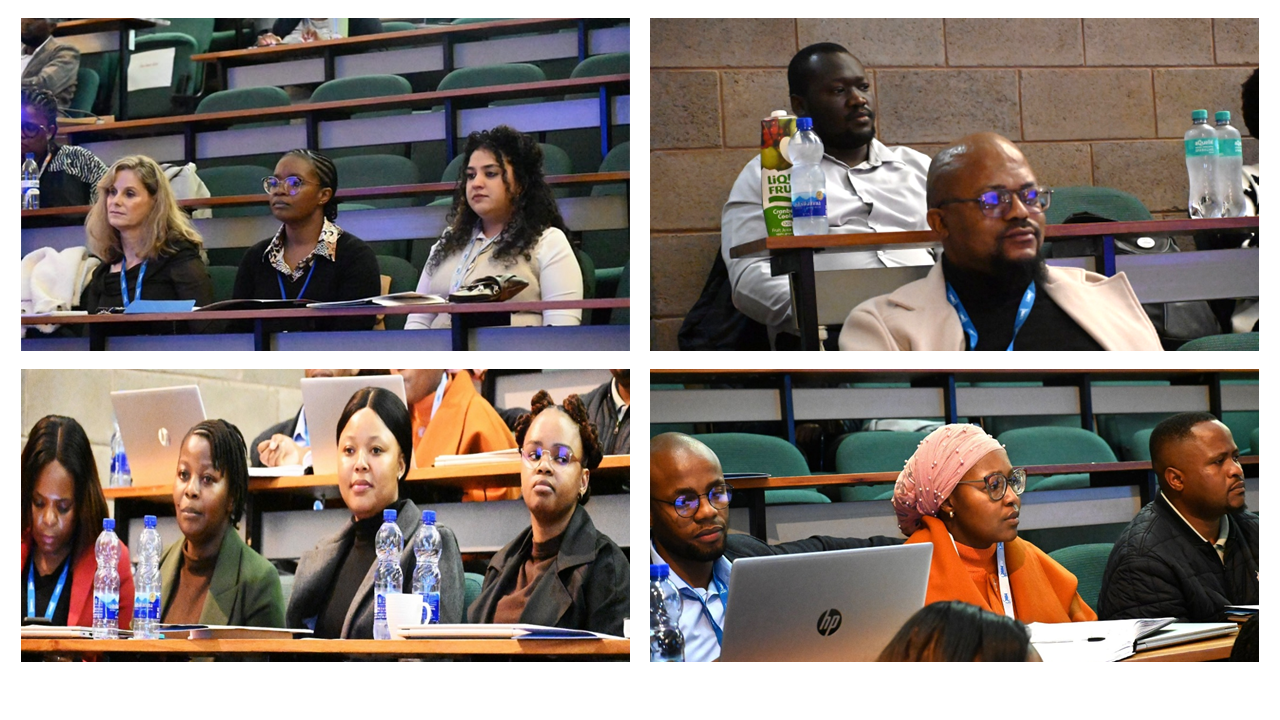
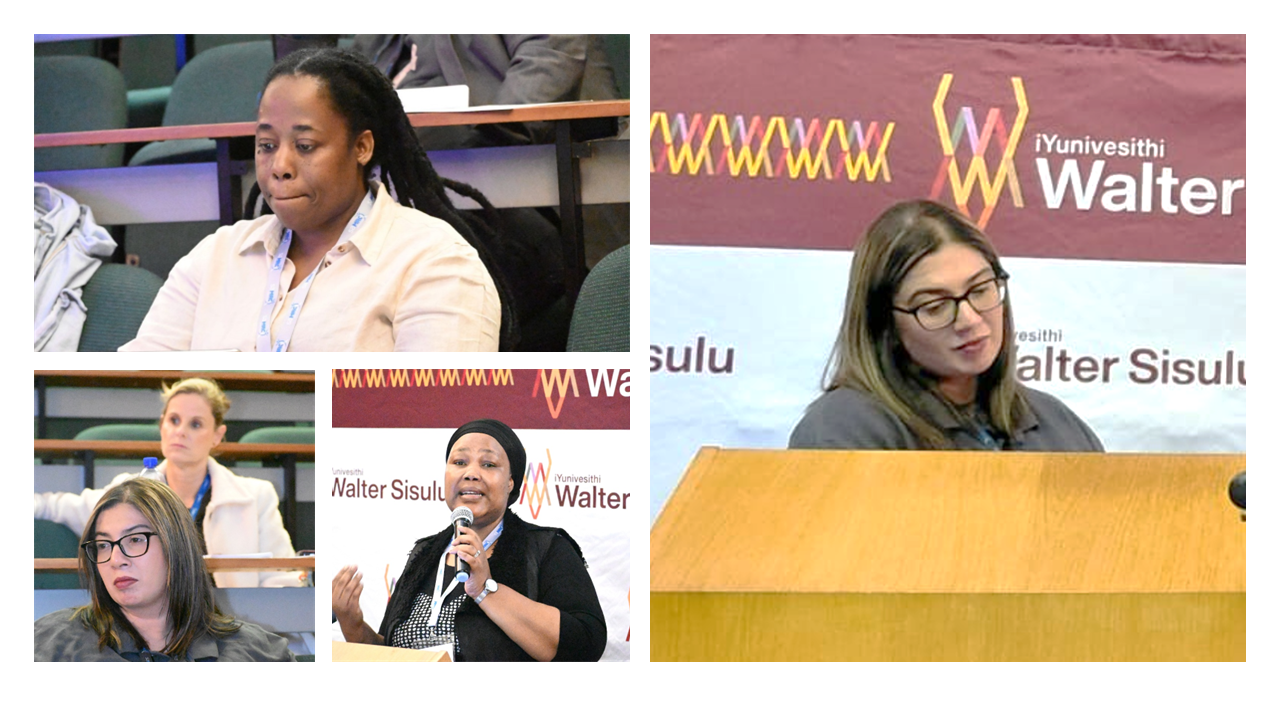
Held under the theme "Funding for Impact: Strengthening Research Capacity for Translation, Implementation, and Health Impact," this year's conference brought together 85 emerging, early- and mid-career researchers from institutions across the Eastern Cape, including iWS, the University of Fort Hare and Nelson Mandela University. The event followed the first two regional conferences, organised by the University of Zululand in KwaZulu-Natal and Sefako Makgatho Health Sciences University (SMU) in Gauteng, respectively.
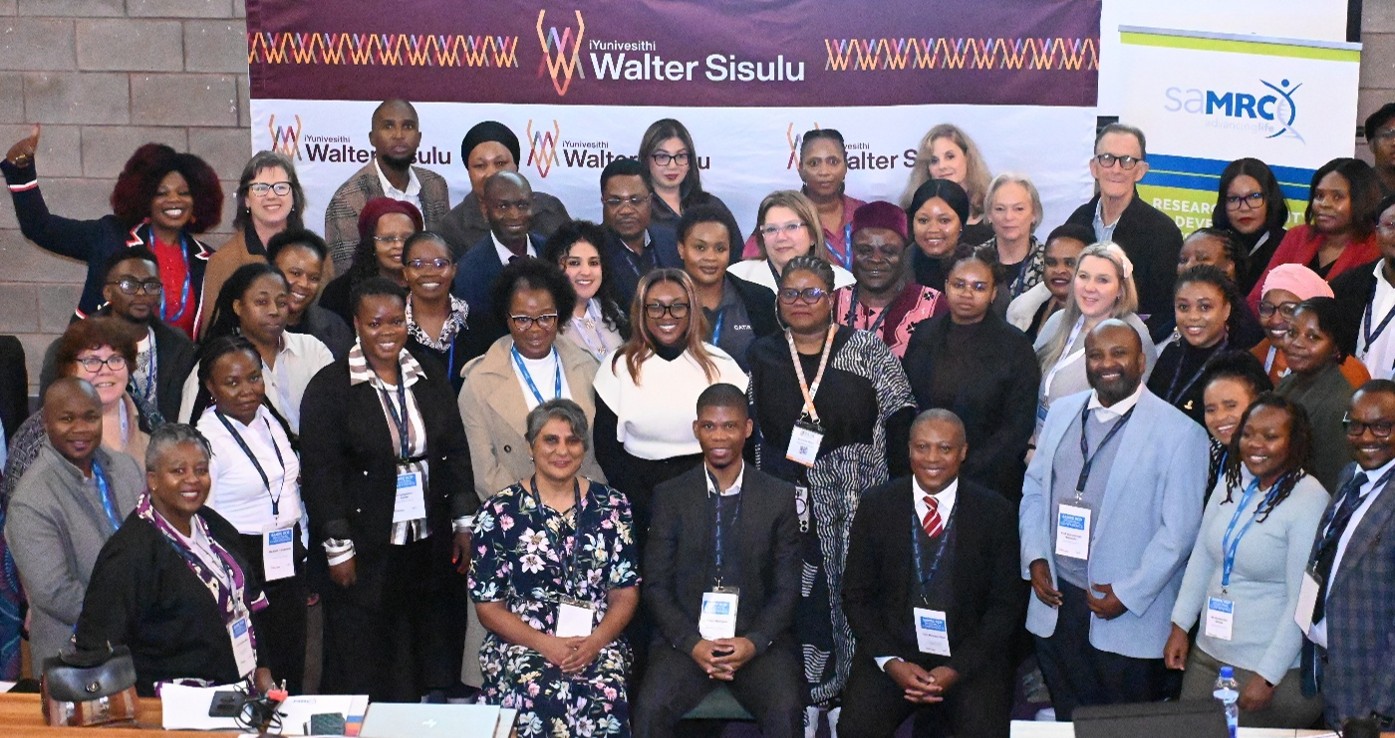
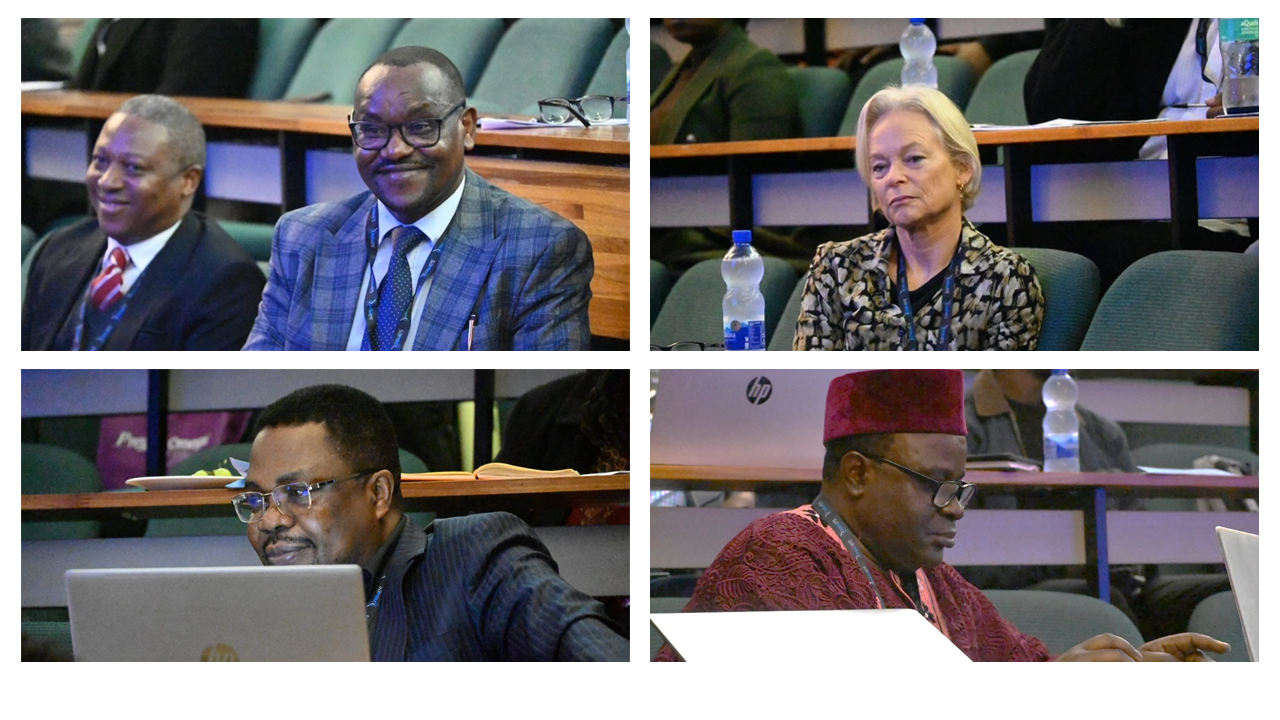
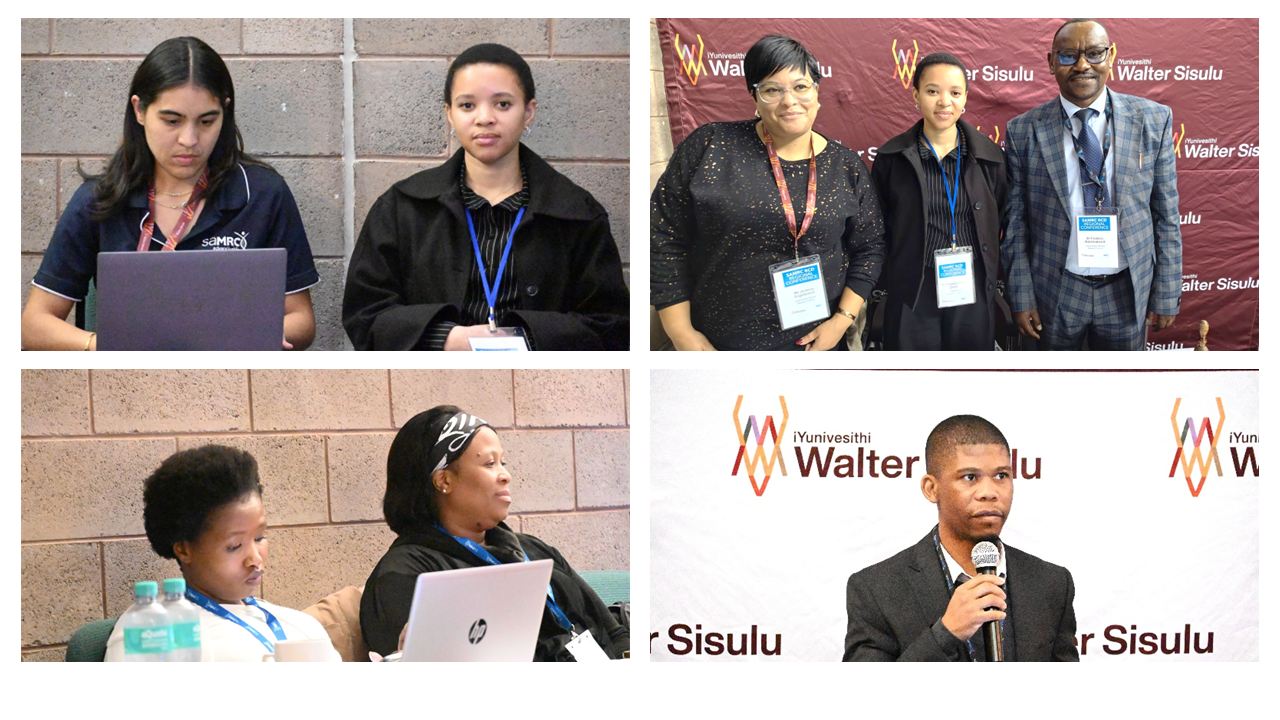
The conference formed part of the SAMRC's ongoing efforts to strengthen research capacity and support the development of the next generation of health researchers in South Africa. It gave beneficiaries opportunities to meet with the SAMRC President, present their research, take part in discussions, connect with peers and experts in their fields, and strengthen local collaborations.
From Research Funding to Health Impact
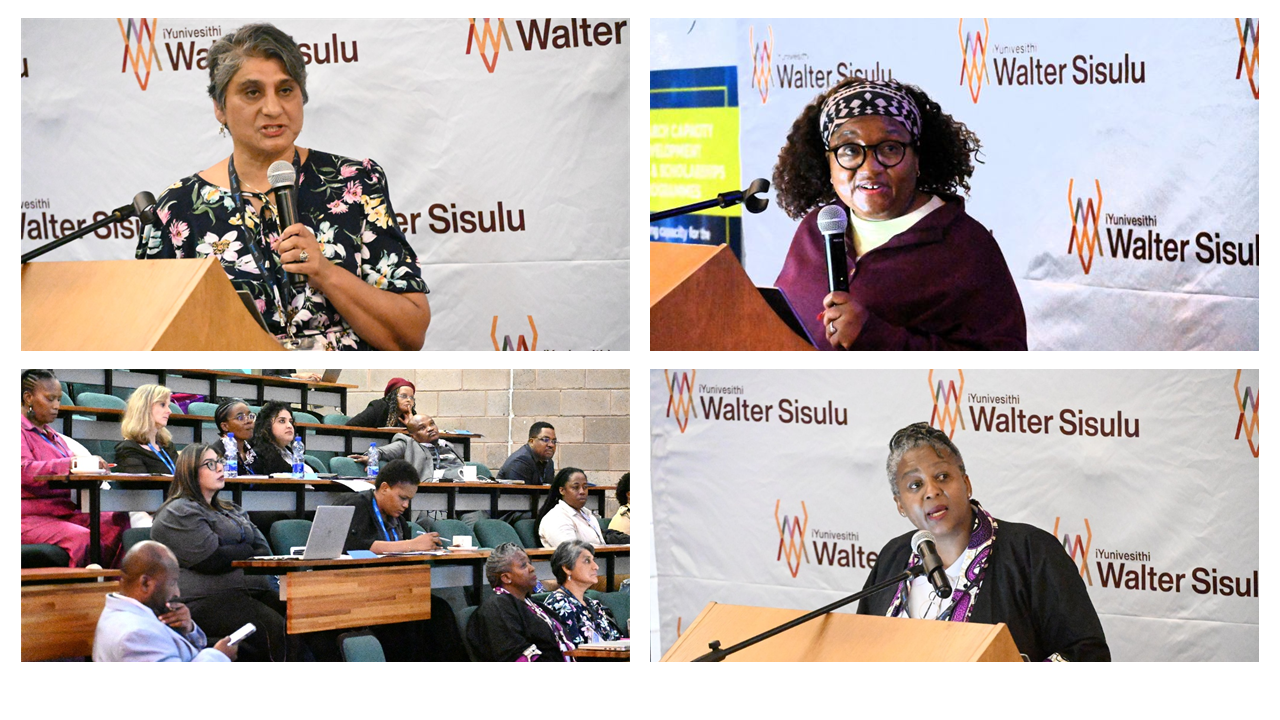
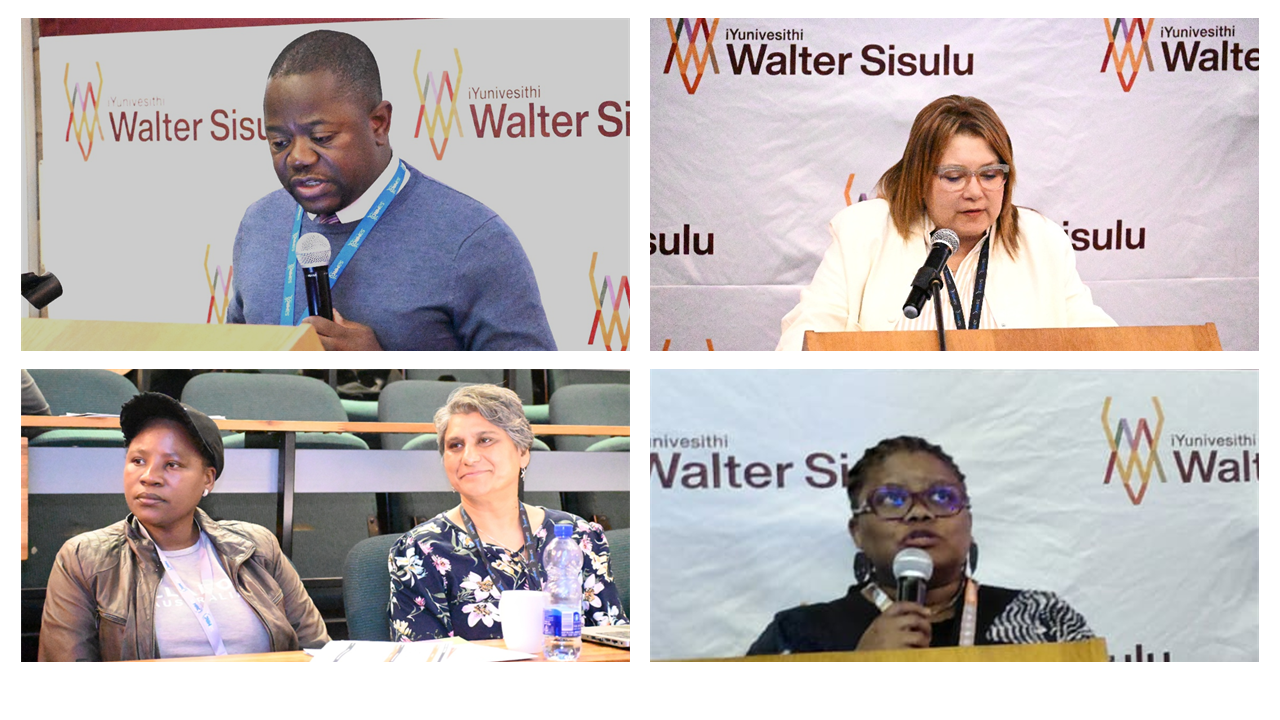
Opening the conference, Dr Abeda Dawood, Division Manager of the SAMRC's RCD Division, highlighted the importance of regional engagement, collaboration and knowledge sharing in building health research capacity.
Welcoming delegates on behalf of iWS's Vice-Chancellor Professor Thandi Mgwebi, Professor Nosisi Feza, Deputy Vice-Chancellor for Research, Innovation and Internationalisation, reaffirmed the university's commitment to research excellence and collaboration and acknowledged the great support from SAMRC.
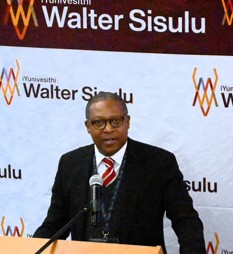
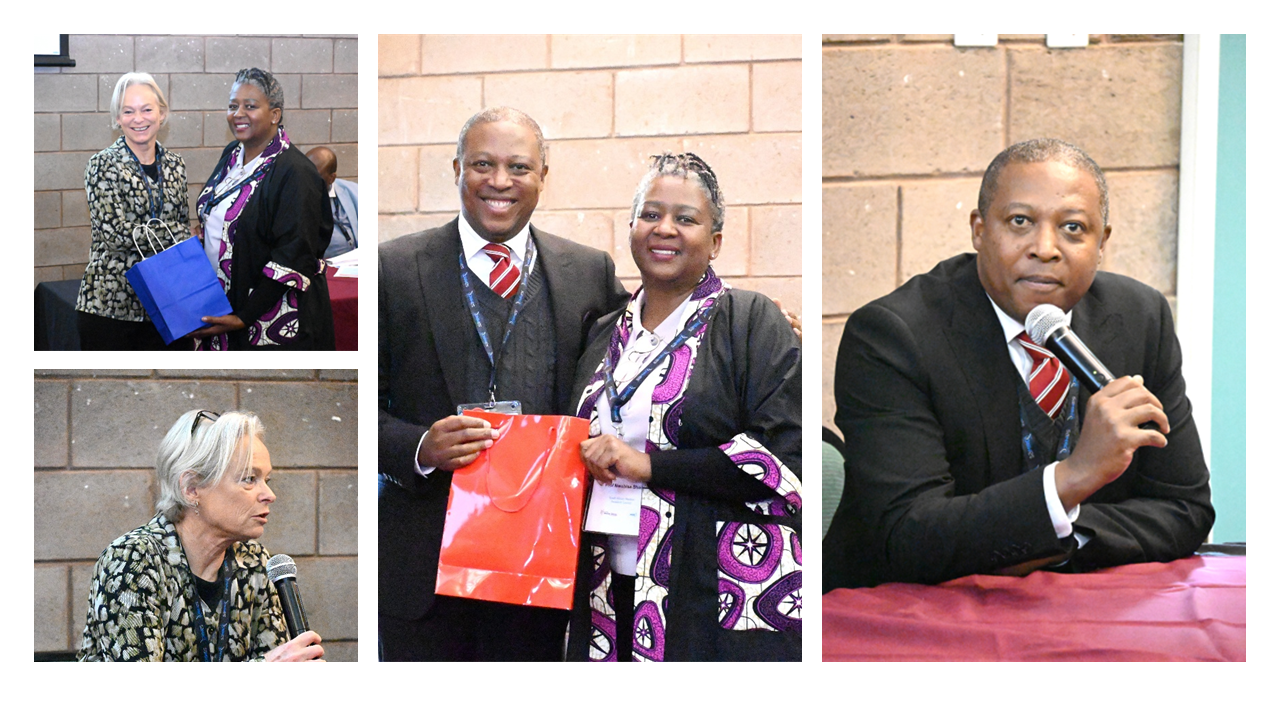
In his keynote address, Professor Ntobeko Ntusi, President and CEO of the SAMRC, challenged researchers, institutions and funders to move beyond knowledge generation towards measurable health and societal impact. He emphasised that research funding should be assessed by its contribution to strengthening health systems, informing policy, improving healthcare delivery and enhancing the lives of communities.
Highlighting the importance of research translation, Professor Ntusi noted that "One of the most persistent challenges is the health research gap between what we know and what we do." He also stressed the need to strengthen research translation across the entire value chain, from discovery to policy, practice and community-based interventions, and further encouraged researchers to explore emerging areas of research, including digital health, artificial intelligence in healthcare, climate change and health, and indigenous knowledge systems.
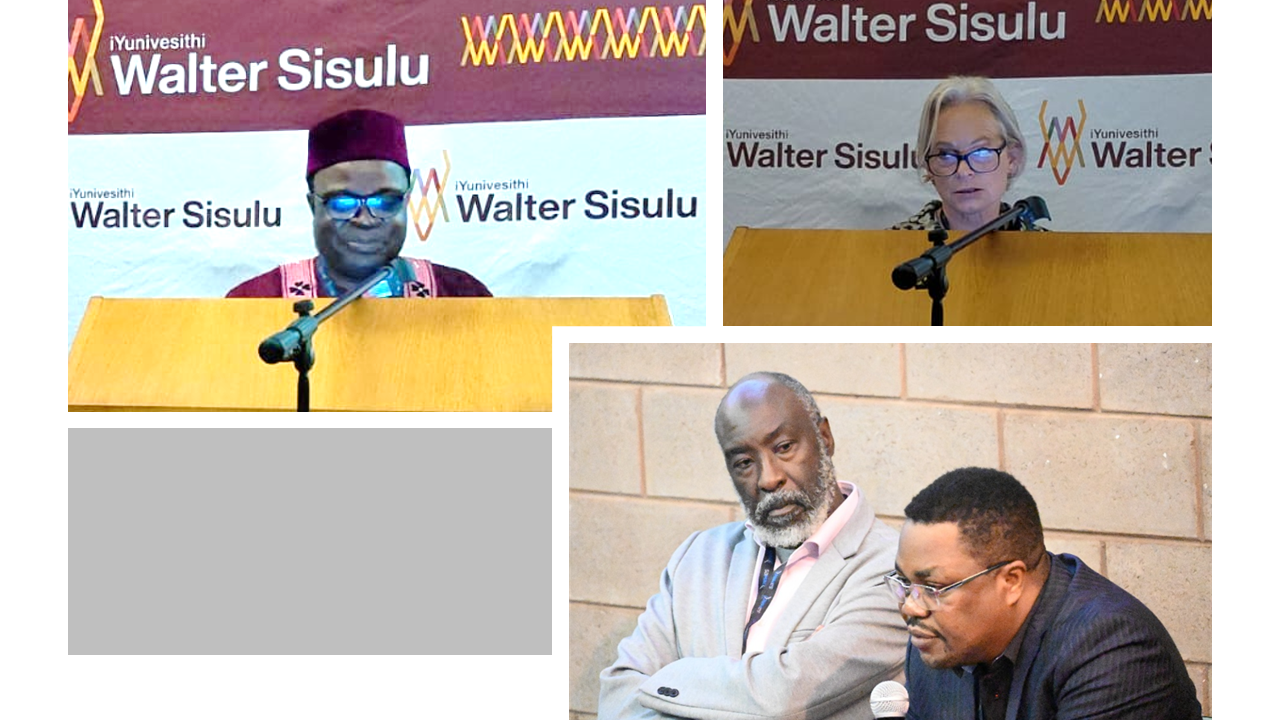
Building on the conference theme, keynote speaker Professor Charles Shey Wiysonge highlighted the role of implementation science in bridging the gap between evidence generation and real-world outcomes. He emphasised the importance of translating research findings into policies, programmes and interventions that improve population health.
Expanding on these discussions, Dr Michelle Mulder, Executive Director of the SAMRC's Grants, Innovation and Product Development (GIPD) Division, highlighted the SAMRC's role in strengthening research capacity and supporting the translation and implementation of research to advance health impact. She emphasised that building sustainable research ecosystems requires investment in people, partnerships, research infrastructure and institutional support.
Another keynote speaker, Professor Alison September, explored the role of leadership, mentorship and research capacity development in strengthening South Africa's research workforce and supporting the development of the next generation of research leaders.
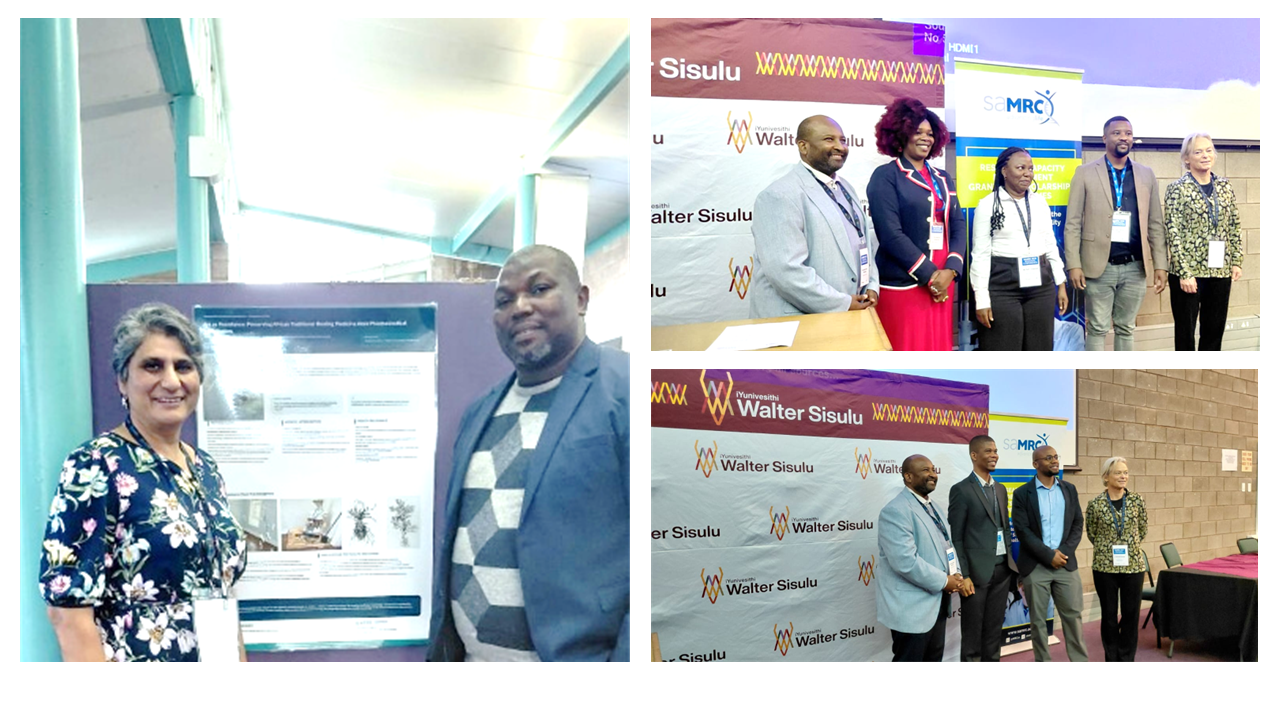
A panel discussion titled "Being a Principal Investigator within an HDI or Research-Constrained University in the Era of Research Translation" brought together Professors David Katerere, Teke Apalata and Anthony Okoh. Drawing on their experiences at historically disadvantaged institutions (HDIs) and research-constrained universities, the panellists examined the realities of leading research programmes in under-resourced settings. They identified equitable partnerships, mentorship, implementation science, community-engaged research and institutional strengthening as key enablers of research translation and impact.
Together, the keynote addresses, invited presentations and panel discussion reinforced a central message: research achieves its greatest value when evidence informs action and delivers measurable benefits for society.
Showcasing Research Excellence
The conference provided a platform for SAMRC-funded beneficiaries and emerging researchers to showcase their work through more than 30 oral presentations and seven poster presentations. Topics spanned priority health areas, including HIV, maternal and child health, cancer, mental health, non-communicable diseases, health systems strengthening and community-based rehabilitation.
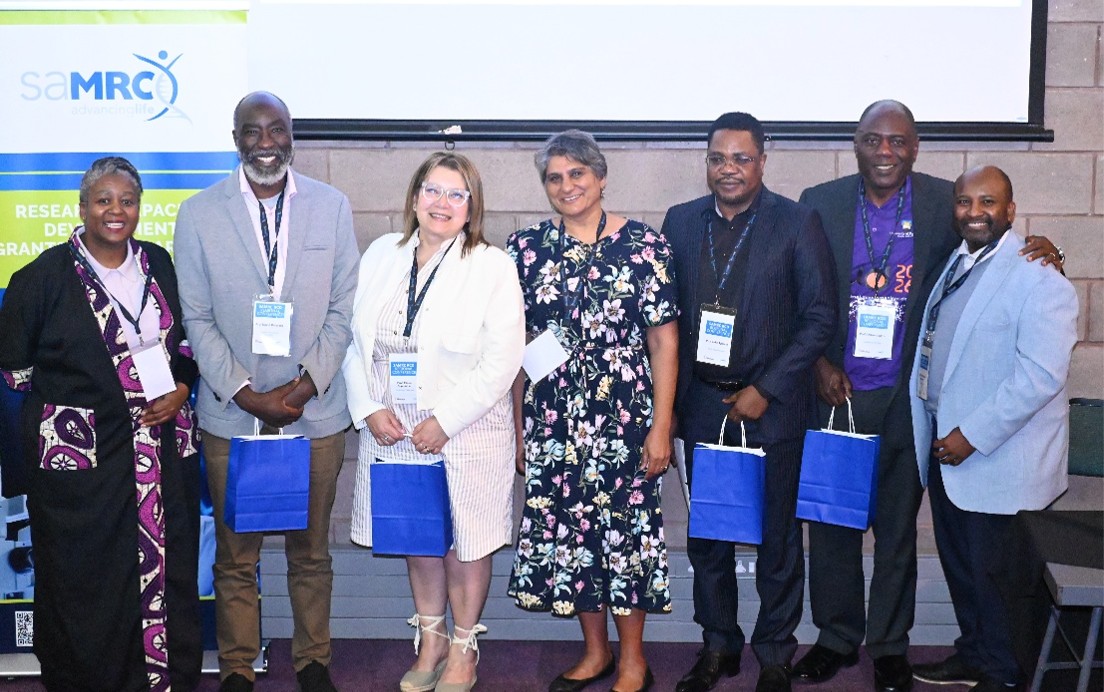
A highlight of the conference was the recognition of outstanding presentations by emerging researchers. Dr Xolani Mbongozi (iWS), an awardee under the SAMRC Research Capacity Development Initiative-Staff Development Support, received the Best Oral Presentation Award, while Ms Ruth Tshabalala (iWS) received the Best Poster Presentation Award. These awards reflected the quality of research supported through the SAMRC's RCD programme and highlighted the important contribution of emerging and early-career researchers to South Africa's health research landscape.
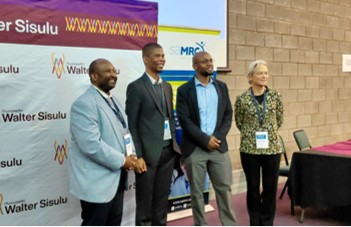
Dr Pritika Ramharack, from the SAMRC's Biomedical Research Innovation Platform (BRIP), introduced delegates to the Centre for Advanced Training and Innovative Research (CATIR). Her presentation highlighted the centre's contribution to research capacity development through specialised training, skills development and innovative research opportunities for emerging researchers and future research leaders.
In her closing remarks, conference chair Professor Shai, supported by Professor Sikhumbuzo Mabunda of iWS, reflected on the day's discussions and thanked speakers and presenters for their contributions to a highly successful conference.
Delivering the vote of thanks, Dr Dawood acknowledged iWS for hosting the conference and thanked participating institutions, keynote speakers, session facilitators and organisers. She encouraged beneficiaries to build on the knowledge, insights and professional networks developed during the conference and to continue pursuing research that contributes to improved health outcomes and societal benefit.
The 2026 Eastern Cape Regional Grant Holders Conference reaffirmed the SAMRC's commitment to developing health research leaders and strengthening research capacity across South Africa. Discussions throughout the conference highlighted how collaboration, mentorship and knowledge exchange can support the translation of research evidence into improved health outcomes and broader societal benefits.
Written by Fallon Heinrich and Frederic Nduhirabandi
 |
 |
 |
 |
 |
 |
 |
 |
 |
|