
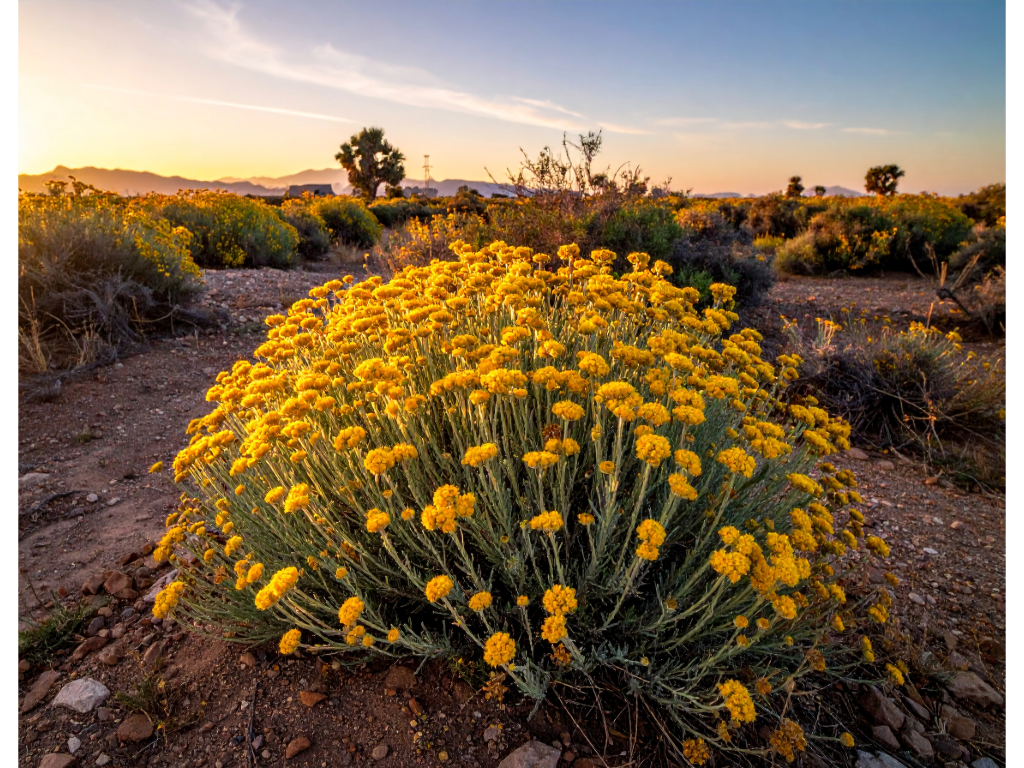
The Genomics Platform of the SAMRC and the African BioGenome Project (AfricaBP), in collaboration with scientists from across Africa, have published a paper titled “Chromosome-level genome assembly of Helichrysum odoratissimum, a medicinal plant from Southern Africa” in the Scientific Data Journal.
The study highlights the growing genomics capacity within Africa and demonstrates how collaborative research efforts are generating high-quality genomic resources for species of ecological, cultural and economic importance. The work forms part of broader efforts supported through initiatives such as AfricaBP and DIPLOMICS to strengthen biodiversity genomics research and capacity development across the continent.
Helichrysum odoratissimum is the scientific name for “Impepho” in Southern Africa. The plant can, however, be found in other parts of Africa, as well as Asia, Australia, Madagascar and Europe.
Impepho is widely used in traditional medicine and holds great cultural significance. It is valued for its medicinal properties, including reported antimicrobial and anti-inflammatory activity. Growing in humid, mountainous regions, it is also harvested for herbal teas, essential oils and insect-repellent products. Beyond its medicinal applications, Impepho occupies an important place in the cultural practices and traditional knowledge systems of many Southern African communities.
According to the research, scientists have invested relatively little in genetic and genomic research on the species. Although the plant is not currently considered threatened, scientists believe that increasing commercial use and harvesting of the plant highlight the importance of understanding its genetic diversity and supporting sustainable use.
Therefore, the researchers generated the first chromosome-level genome assembly for Helichrysum odoratissimum. The researchers extracted DNA from the leaves and used Oxford Nanopore long-read sequencing together with MGI Hi-C technology to assemble the DNA sequences into chromosomes. The researchers identified 67,980 predicted genes through this process, creating the first detailed genetic blueprint for this plant. Reference genomes such as this provide a foundational resource for future studies of biodiversity, evolution, conservation and the genetic basis of important traits.
The genetic blueprint is expected to support research into the plant’s adaptation to different Southern African environments, inform conservation strategies, compare the chromosome-level genome with the genomes of other Helichrysum species and identify the genes underlying the plant’s pharmaceutical potential. The outcome of the research is intended to provide scientists with a better understanding of the plant’s medicinal value, its adaptation to the environment, and its potential for future breeding and conservation efforts. This is overall important for those that use the plant traditionally and commercially.
Link to the publication: https://doi.org/10.1038/s41597-026-08286-w
Zimasa Jam Jam
Science Writer & Editor
Email: Zimasa.Jamjam@mrc.ac.za