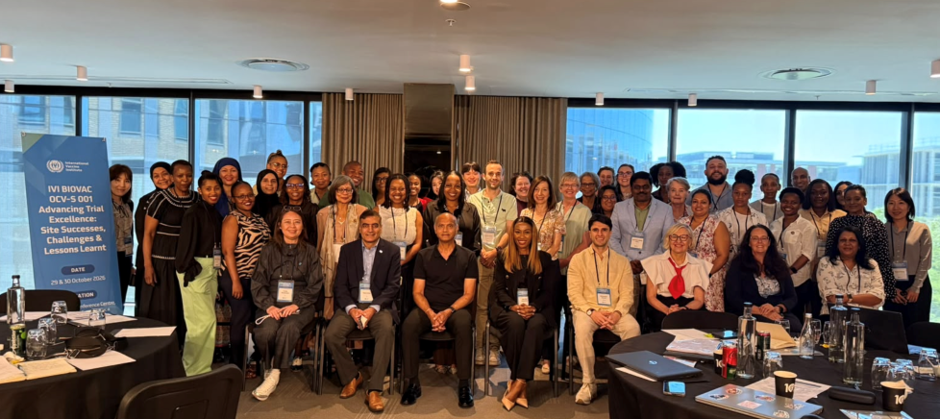
The South African Medical Research Council (SAMRC), together with the International Vaccine Institute (IVI) and Biovac, convened the "Advancing Trial Excellence: Site Successes, Challenges and Lessons Learnt" meeting for the IVI Biovac OCV-S 001 Oral Cholera Vaccine Study at the Century City Conference Centre in Cape Town on 29-30 October 2026.
The meeting brought together delegates from IVI, Biovac, P95 (the study monitoring organisation), the SAMRC Grants, Innovation and Product Development (GIPD) division, and representatives from all five clinical trial sites to reflect on trial progress, operational successes, challenges and lessons learned as the study advances toward completion.
Since the study kick-off meeting in August 2025, recruitment has been successfully completed across all participating sites, marking an important milestone for the trial. The two SAMRC clinical research sites, Chatsworth and Isipingo, made a particularly significant contribution, jointly recruiting more than 1,000 participants who included adult men, women, infants and adolescents.
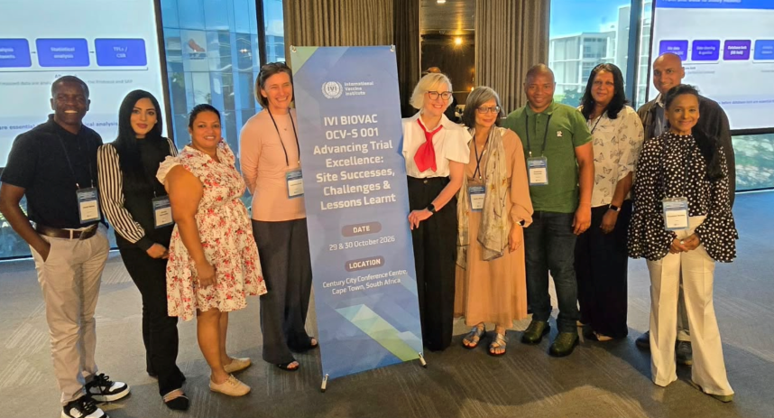
Discussions focused on sharing best practices in participant retention, safety reporting, protocol compliance, data management, results dissemination and inspection readiness, while also identifying key actions for the final study phase. Final study data are expected to be available in June 2027, providing important evidence to support the future development and potential licensure of the oral cholera vaccine, the first vaccine to be developed from concept to implementation on the African continent.
The next steps includes ensuring that participants are referred for care as they complete study participation and; to prepare for sharing of results in partnership with participants and the community interest holders including the CABs, CWGs.